
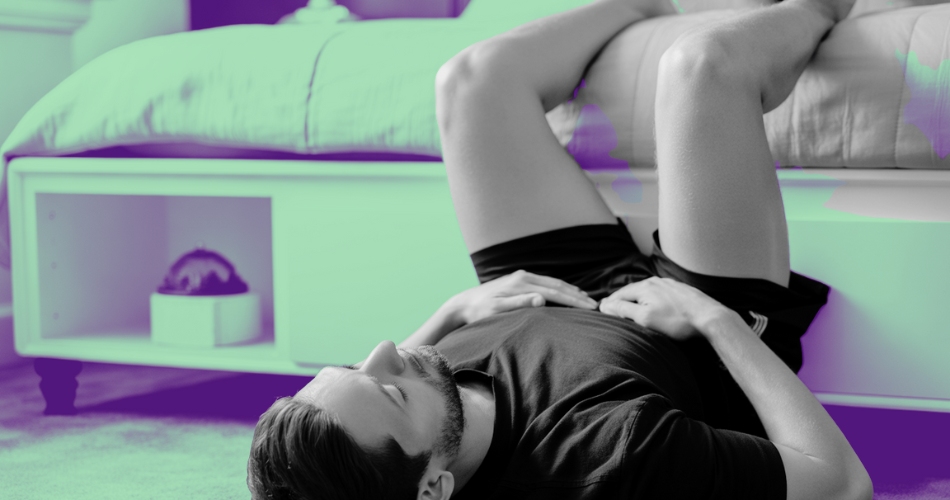
Cold and flu season isn’t the only force pushing Americans to rethink rest right now. Burnout, irregular sleep schedules, and rising anxiety around performance have made sleep optimization a cultural fixation. One technique drawing renewed attention is the so-called Navy SEAL nap: a brief, intentional rest strategy originally developed for military operators who need to recover alertness quickly, often under stress.
The appeal is obvious. The promise isn’t a full night’s sleep, but a rapid reset—minutes, not hours. But does the Navy SEAL nap actually work for everyday people? And what does medical research say about its benefits, limitations, and appropriate use? Recent studies and expert commentary suggest the answer is more nuanced—and more useful—than headlines often imply.
What the Navy SEAL Nap Actually Is, and What It Isn’t
The Navy SEAL nap refers to a short, controlled rest period, typically 10 to 15 minutes, used by military personnel during prolonged operations when full sleep isn’t possible. Unlike naps taken out of exhaustion, this approach emphasizes intentional timing, mental decompression, and avoiding deeper sleep stages that can cause grogginess.
According to Proceedings, the U.S. Naval Institute’s professional journal, short naps have long been part of fatigue-management strategies in military and aviation settings. The goal is not recovery in the traditional sense. It is preservation — of attention, reaction time, emotional regulation, and decision-making — under sustained cognitive and physical load.
Civilian coverage sometimes presents the technique as a near-instant energy fix. That framing misses the point. Sleep researchers consistently emphasize that short naps are not a substitute for adequate nighttime sleep. They are a tactical tool designed for specific situations, not a cure for chronic sleep deprivation.
Medical experts interviewed by Everyday Health and Real Simple note that duration is critical. Staying under 30 minutes reduces the likelihood of entering slow-wave sleep, which is associated with sleep inertia, the heavy, disoriented feeling that can follow longer naps. Used improperly, naps can leave people feeling worse rather than better.
What Sleep Science Shows About Short Naps and Performance
Decades of sleep research support the idea that brief naps can improve alertness, working memory, and reaction time. NASA studies involving pilots and astronauts found that naps lasting roughly 20–30 minutes improved performance and reduced errors during extended duty periods. Similar findings appear in occupational sleep research among healthcare workers, first responders, and shift employees.
Short naps primarily engage lighter stages of non-REM sleep. These stages help reduce sleep pressure and restore vigilance without triggering deep sleep. According to the National Institutes of Health, this makes brief naps particularly effective during natural circadian dips, such as the early afternoon or late night.
That said, benefits are not universal. Individuals who are chronically sleep-deprived may experience smaller gains, and those with insomnia or circadian rhythm disorders may find that naps interfere with nighttime sleep if mistimed. Sleep specialists caution that elite military personnel train extensively to nap efficiently, while civilians often expect results without structure.
In practice, short naps tend to work best when paired with consistent sleep schedules, controlled light exposure, and realistic expectations about what a nap can, and cannot do.
Why the Navy SEAL Nap Resonates Now, and Where Expectations Go Wrong
The renewed interest in tactical napping reflects a broader shift in how Americans think about productivity and recovery. Longer workdays, constant connectivity, and blurred boundaries between work and rest have left many people fatigued but still searching for control.
Short naps feel actionable. They offer a sense of agency in a system that often feels overwhelming. But framing them as a cure-all carries risk.
Medical professionals caution that frequent reliance on daytime naps can mask underlying issues such as sleep apnea, chronic stress, medication effects, or circadian misalignment. As Everyday Health reports, naps are most effective as a supplement, not a replacement, for healthy sleep habits.
This distinction matters. When people treat the Navy SEAL nap as a workaround rather than a support strategy, they may delay addressing the root causes of fatigue.
How to Use Short Tactical Naps More Effectively
Research-backed guidance can help maximize the benefits of short naps while minimizing disruption:
- Keep it brief. Aim for 10–15 minutes to improve alertness without triggering sleep inertia.
- Time it intentionally. Early afternoon naps align best with natural circadian dips. Avoid late-day naps that may disrupt nighttime sleep.
- Reduce stimulation. Dimming lights, limiting noise, and stepping away from screens help the brain disengage more quickly.
- Use it strategically. Short naps work best when used occasionally, not as a daily necessity.
- Pay attention to patterns. Persistent daytime sleepiness may signal an underlying sleep disorder that warrants professional evaluation.
As sleep-medicine research continues to show, the most effective strategies are those that fit into a person’s broader health picture—not those that promise shortcuts.
The Bottom Line on the Navy SEAL Nap
The Navy SEAL nap is neither myth nor miracle. It is a targeted fatigue-management tool developed for extreme conditions and now adapted for civilian life. Research supports its ability to improve short-term alertness and cognitive performance for some people, under the right circumstances.
Its real value lies in how it reframes rest, not as indulgence, but as strategy. When used thoughtfully, short naps can complement healthy sleep habits. When misunderstood or overused, they can distract from the deeper work of restoring sleep health.
In a culture searching for faster fixes, the science offers a quieter message: even elite performance tools work best when they respect the fundamentals.
Sources


Discover What Grows Wealth with Minimum Effort & Minimum Risk

